
Revealing the intriguing history of gambling through the ages
The Origins of Gambling
The roots of gambling can be traced back thousands of years, with evidence emerging from ancient civilizations such as Mesopotamia and China. Archaeologists have uncovered artifacts that indicate the presence of dice and betting games in these societies, showcasing the human fascination with chance and risk. As you explore the history, you may find the best new casinos resonate with these age-old traditions, bridging the past and present. These early forms of gambling often revolved around games of chance that involved betting valuable items, marking the beginning of a long-standing cultural phenomenon.
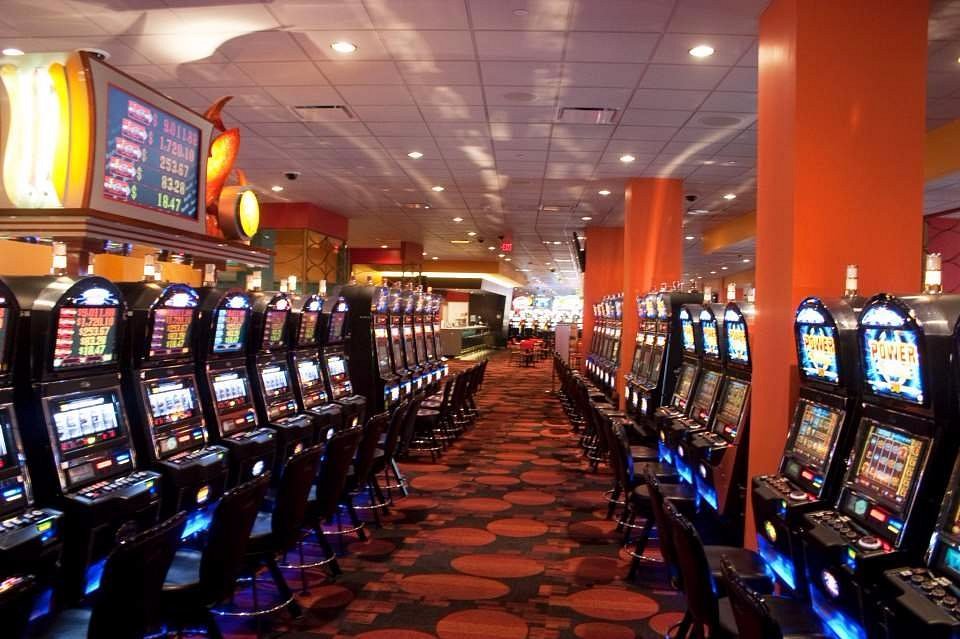
As civilizations advanced, so did the complexity of gambling practices. The introduction of playing cards in the 9th century in China sparked a new era of gaming, leading to widespread popularity across Asia and eventually Europe. This evolution highlighted a shift from simple chance-based games to more strategic forms of gambling, reflecting the social and economic conditions of the times.
The Role of Gambling in Ancient Cultures
Throughout history, gambling has held a significant role in various cultures. In Ancient Rome, it was not just a pastime but a public spectacle, often associated with gladiatorial games and chariot races. The Romans embraced betting as part of their entertainment, with citizens wagering on everything from the outcomes of battles to the performance of their favorite athletes. This cultural acceptance contributed to a thriving economy based on gambling.
Similarly, in Ancient Greece, gambling was intertwined with religious practices. The Greeks would often bet on the outcomes of athletic competitions held in honor of their gods. This connection between gambling and spirituality demonstrated how deeply embedded these activities were in the social fabric of ancient societies, serving as a means to engage with both luck and divine intervention.
The Evolution of Gambling in the Modern Era
The transition into the modern era saw significant transformations in gambling practices, especially with the establishment of casinos in the 17th century. The first official casino, the Ridotto, opened in Venice in 1638, providing a regulated environment for gaming. This marked a pivotal point where gambling moved from private settings to public institutions, signifying its acceptance as a legitimate form of entertainment.
The Industrial Revolution further catalyzed the expansion of gambling, leading to the rise of sports betting and lotteries. Innovations in transportation and communication allowed gambling to reach broader audiences, paving the way for the establishment of iconic gaming cities like Las Vegas and Monte Carlo. These developments showcased the adaptability of gambling, aligning with contemporary social dynamics and consumer interests.
The Psychology Behind Gambling
Understanding the psychology of gambling reveals why it has remained a popular activity across ages. Factors such as the thrill of risk, the allure of winning, and the social dynamics involved in betting contribute to its appeal. Psychological studies suggest that the anticipation of a potential win triggers dopamine release, which reinforces the behavior and can lead to repeated participation in gambling activities.
Moreover, the concept of gambling addiction highlights the complexities of human behavior surrounding this activity. The fine line between enjoyment and compulsion is often blurred, leading some individuals into problematic gambling. Awareness and understanding of these psychological aspects have become crucial in promoting responsible gambling and ensuring that it remains an enjoyable pastime rather than a destructive habit.

Your Guide to Online Gambling Today
In the contemporary landscape, online gambling has revolutionized how players engage with games of chance. The rise of digital casinos has made gambling more accessible, offering a wide array of options that cater to varying preferences and styles of play. From slots to live dealer games, the online experience mimics the thrill of traditional casinos while providing the convenience of playing from home.
For those seeking insights into the online gambling world, reliable resources are essential. Websites dedicated to reviewing and analyzing online casinos equip players with the knowledge needed to navigate this digital realm confidently. By understanding factors such as game variety, bonuses, and user experiences, players can make informed choices, enhancing their overall gambling experience while ensuring safety and enjoyment.