
Understanding the house edge: What it means for players
Defining the House Edge
The concept of the house edge plays a crucial role in the world of gambling. It refers to the inherent advantage that a casino has over its players. This advantage is built into the odds of each game, ensuring that, over time, the casino will make a profit regardless of individual player outcomes. While the specific percentage can vary from game to game, understanding this concept is essential for any player aiming to approach gambling more strategically.
For instance, in games like roulette, the house edge is often around 5.26% for American roulette due to the presence of a double zero. In contrast, in blackjack, players can significantly reduce the house edge to as low as 0.5% by employing optimal strategies. Thus, familiarity with the house edge not only enhances a player’s gambling knowledge but also aids in making informed decisions when placing bets. For players looking for a top-tier experience, exploring the best australian online casino can be a great starting point.
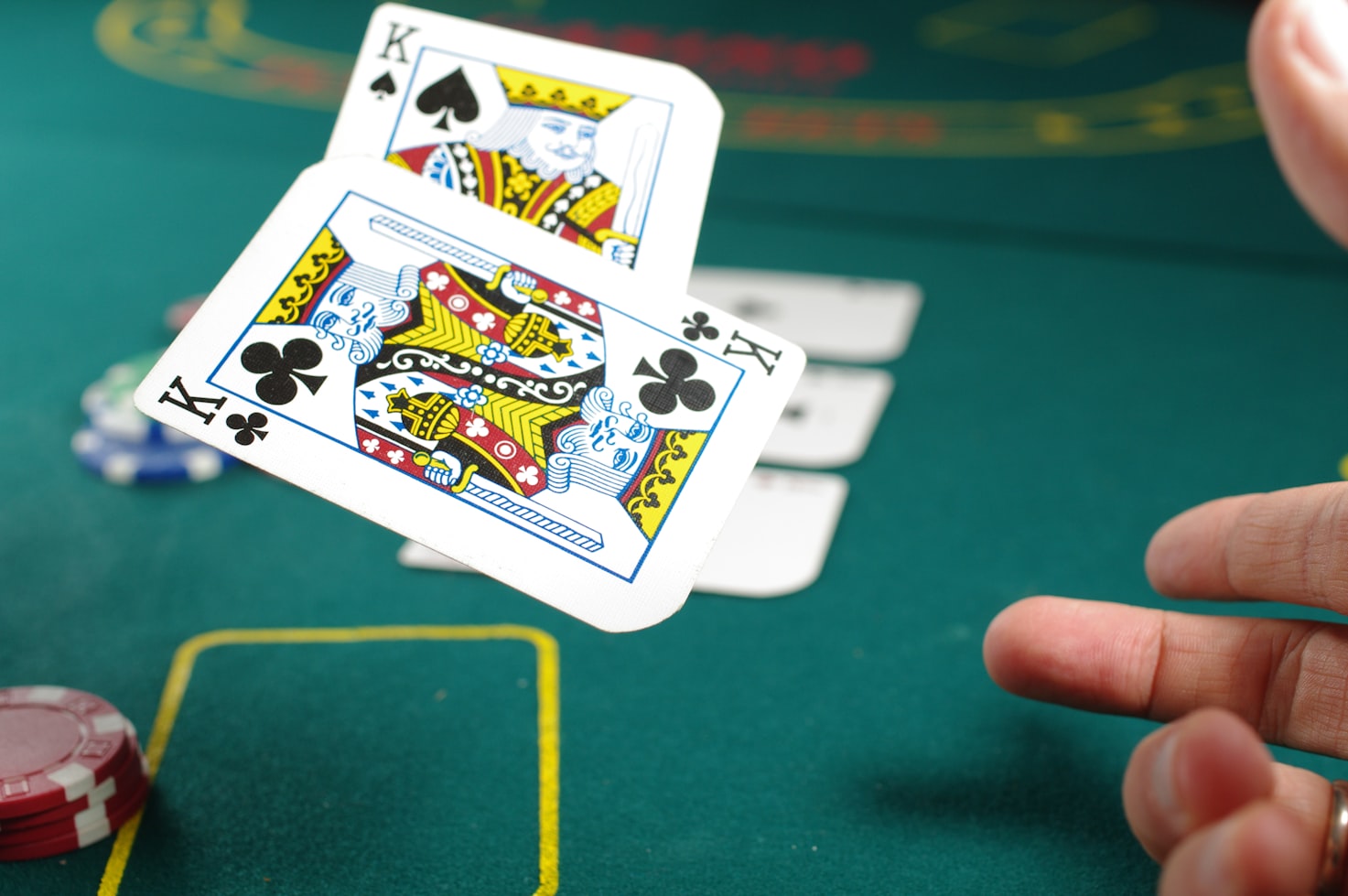
How House Edge Affects Gameplay
The house edge influences the dynamics of a gambling game, dictating how much a player can expect to lose in the long run. Essentially, the higher the house edge, the more a player stands to lose over repeated plays. For instance, slot machines typically have a much higher house edge compared to table games. This can discourage players looking for favorable odds, pushing them towards games where they can employ skill and strategy.
Moreover, understanding the house edge can shape a player’s overall gaming experience, as it highlights the balance between risk and reward. Players often gravitate towards games with lower house edges because these games traditionally offer better odds. By understanding how the house edge works, players can tailor their gambling activity to align with their risk tolerance and expected outcomes.
Strategies to Mitigate House Edge
While the house edge is a reality in gambling, certain strategies can be employed to mitigate its effect. One such strategy involves selecting games with lower house edges and higher player return percentages. Players can also enhance their overall experience by practicing good bankroll management, which allows them to play longer and potentially mitigate losses.

Another effective strategy is learning the basic rules and optimal plays for games like blackjack and video poker. By mastering these skills, players can make decisions that directly counteract the house advantage. Casinos often provide resources and tutorials, which can be extremely beneficial for those looking to outmaneuver the house edge.
The Role of Variance and Luck
Despite strategies and knowledge of the house edge, variance and luck remain significant factors in gambling. Variance refers to the unpredictability of game outcomes, which means that players can experience short-term wins despite the long-term house advantage. Even in games with a high house edge, a player may hit a winning streak, showcasing the role of chance in gambling.
Exploring Online Gambling Platforms
As online gambling continues to rise in popularity, players have a vast array of options available to them. The house edge remains a pivotal factor across these platforms, just as it does in traditional casinos. It’s essential for players to research various online games and their respective house edges before engaging. This helps in choosing where to invest time and money effectively.